Need Help? Just Call Us 01332 370152

early years

  1. The Importance of Role Play in the Early Years

    The Importance of Role Play in the Early Years

    Role play is a magical part of the early years foundation stage and beyond. Most EYFS practitioners will be familiar with the magic of a role play corner, but why exactly is it so important in the EYFS, and how can it be used to best promote the development of our little ones? Read on to find out. The benefits...
  2. EYFS Olympics Activities 2024: Let's get moving!

    EYFS Olympics Activities 2024: Let's get moving!

    Physical development is an incredibly fundamental part of the Early Years Foundation Stage. While supporting physical development naturally permeates through the entire nursery or school day, from outdoor play to fine motor skills, there are lots of ways to target this area specifically, too! With the exciting hook of the Paris 2024 Olympics, there is ample opportunity this year to...
  3. Our 7 Top Tips For a Safe, Enabling Environment

    Our 7 Top Tips For a Safe, Enabling Environment

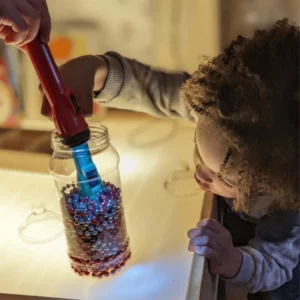
    We know that creating an enabling environment in the early years is key, that's why it's one of the principles underpinning the Statutory Framework for the Early Years Foundation Stage. The importance of this lies in fostering a sense of safety so children feel confident and safe to explore, play and learn. We'd suggest that you start by carrying out...
  4. Shhhh....quiet spaces

    Shhhh....quiet spaces

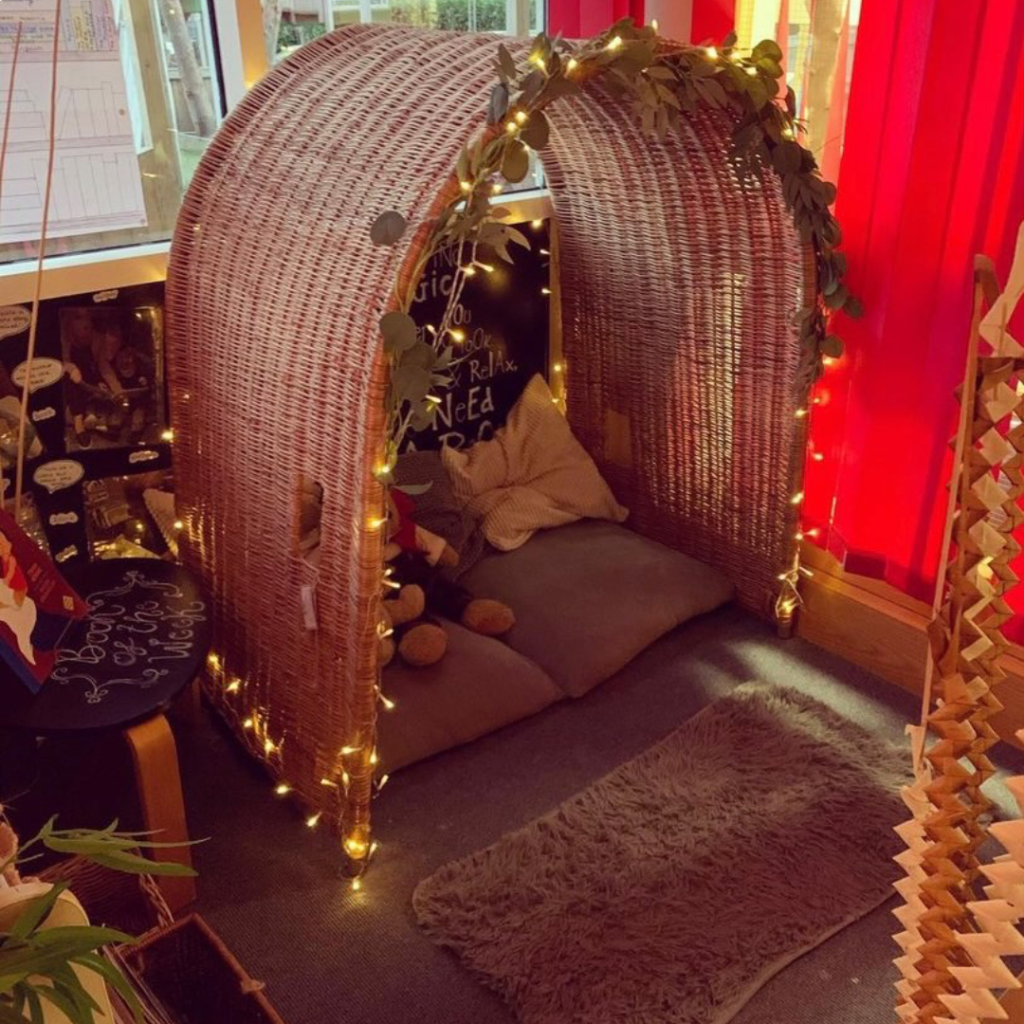
    When creating an enabling environment in the Early Years, quiet spaces are a must. In this blog, we explore the need for quiet spaces and how they link to learning and development in the Early Years Foundation Stage. Why quiet spaces are important in the EYFS With more and more children being diagnosed with Speech, Language and Communication Needs (SLCN...
  5. Our Favourite Tuff Tray Enhancements

    Our Favourite Tuff Tray Enhancements

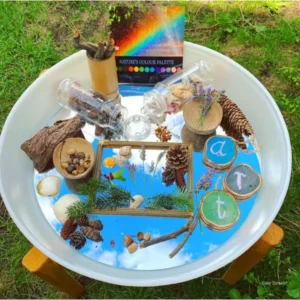
    In our last post we shared our ultimate tips for a fantastic tuff tray set up, along with sharing the incredibly variety we offer here at Cosy in terms of the trays themselves. This week we're taking things a a step further and showcasing our fantastic range of tuff tray enhancements: think tuff tray mats, tuff tray stands, tuff tray...
  6. Tuff Trays: Our Ultimate Guide

    Tuff Trays: Our Ultimate Guide

    If you've been around in early years for a moment, you are likely to be very familiar with the humble (or not so humble!) tuff tray, or tuff spot. Coming in a variety of colours, shapes and sizes, tuff spots (or tuff trays) are ideal for young learners, allowing plenty of space for exciting resources, movement, and messy play. We're...
  7. Once Upon a Time: The Importance of Books

    Once Upon a Time: The Importance of Books

    Books really are a fantastic resource, aren't they?! We love how they can be used in many ways to promote learning and development in a child-friendly way. With educators thinking ahead to the start of the new school year, it's a good time to focus on the power of books in helping children to navigate the transition as they start...
  8. Choosing a Mud Kitchen

    Choosing a Mud Kitchen

    A Mud Kitchen is a must in an early years setting. Children love to create their own dishes with natural treasures, such as mud, flowers, herbs, stones and sticks. Add recipe cards and create an area where children can be engaged and involved in their play for a long period of time. With an array of mud kitchens to choose...
  9. Phonics outdoors: Learning through Play

    Phonics outdoors: Learning through Play

    We know that reading helps pupils to develop culturally, emotionally, intellectually and socially. We also know that phonics is a key element in helping children to become successful readers. Phonics is a method that helps children decode words using phonemes. Before we get to the fun part, let’s cover some basic terminology. Phonics outdoors Phonics - Phonics teaches children to listen...
  10. Pre-Writing & Letter Formation

    Pre-Writing & Letter Formation

    What are they and why are they important? Pre-writing patterns bridge mark-making and letter formation. They take children from more free movement in their mark-making to more controlled movements and movements which mimic the strokes required for writing letters later on down the line. When should they be introduced? Ideally when a child is beginning to show some control over...

Items 11 to 20 of 35 total

Page