


Our 7 Top Tips For a Safe, Enabling Environment
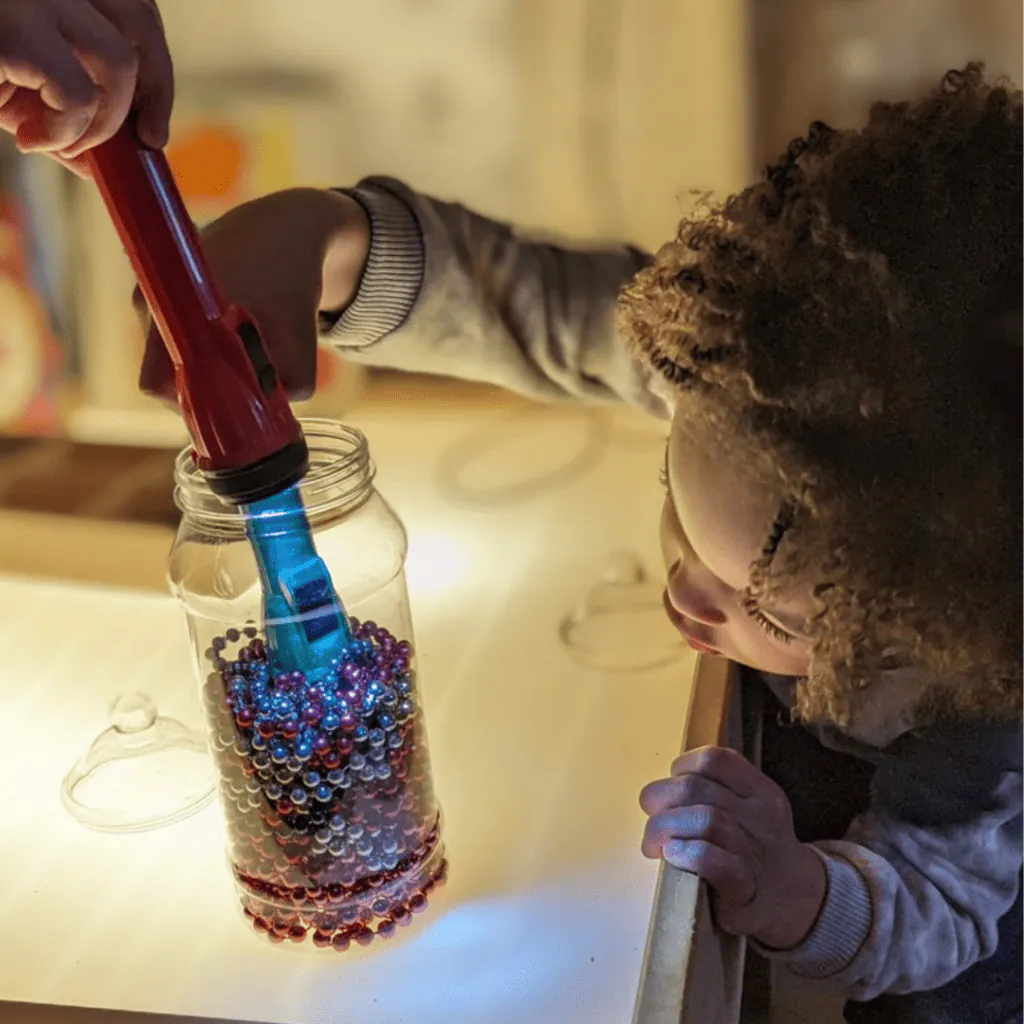
We know that creating an enabling environment in the early years is key, that's why it's one of the principles underpinning the Statutory Framework for the Early Years Foundation Stage. The importance of this lies in fostering a sense of safety so children feel confident and safe to explore, play and learn.
We'd suggest that you start by carrying out an audit on your provision, looking at it from a critical, reflective perspective. Also remember to get down to the child's level, view your environment as the child would.
1. Physical safety
Regular risk assessments will tell you that your provision and practice is physically safe and free from hazards. This includes maintaining clean and organised spaces, securing furniture and equipment, and implementing safety measures. These measures will depend on the age of the children in your setting and also their needs. You might need to avoid small objects or ensure clear floors for those who are less mobile.
2. Predictability and Routine
Children thrive on routines and knowing what is going to happen when. They can predict what is going to happen next through consistent routines and expectations, giving them a feeling of security. When children feel safe in this way, they are more likely to play and explore.
3. Emotional Safety
Your environment should nurture a sense of warmth, empathy and kindness. In such a space, children feel supported and emotionally secure. An atmosphere where children are respected and have a voice can promote positive relationships between adults and children as well as children and their peers
4. Freedom to Explore

Consider how much freedom children have over their environment. Are there are range of materials, toys, and activities that spark curiosity and encourage exploration? Children learn best from exploring at their own pace and when they are free to move freely between areas, such as indoors and outdoors.
5. The Key Person System
This approach means that all children have a secure base from which to explore. The Key Person can offer encouragement and support to children as they explore and try new things. Celebrate their efforts and accomplishments, no matter how small, and provide constructive feedback that focuses on effort and progress rather than just outcomes. Model a positive attitude towards exploration and learning by demonstrating curiosity, creativity, and a willingness to try new things. Show children that it's okay to make mistakes and that learning is a lifelong process.
It's also important to tune in to children's cues and needs, and respond promptly and sensitively to their signals. We must remember that not all children will communicate their needs verbally, so we need to respond to non verbal cues. Offer comfort and reassurance when children feel unsure or anxious, and provide support and guidance as needed without being overly intrusive. We particularly like to idea of professional love, as coined by Dr Jools Page.
6. Opportunities for Choice
Empower children by offering them choices and opportunities for decision-making which builds confidence and independence. Allow them to choose activities, materials, and playmates based on their interests and preferences. Giving children a sense of control over their environment helps build autonomy.
7. Reflection

Continuously reflect on your practices and the environment you provide, seeking feedback from children, families, and your team. Make adjustments as necessary to better meet the needs of children and create a truly enabling environment for exploration and learning.
Final thoughts
By implementing these strategies, educators, caregivers, and parents can create an environment that nurtures children's natural curiosity, fosters their sense of safety and confidence, and supports their ongoing exploration and learning in the early years.