


Supporting Smooth Transitions for Early Years and Primary Children
As the summer term approaches, many early years and primary settings begin thinking ahead to change. For some children, this might mean moving rooms, meeting a new key person, preparing for Reception, changing class, or taking those first steps towards a new school. For others, the transition may be smaller but still important, such as adjusting to a new routine, spending more time outdoors, or becoming more independent before September.
Whatever the change looks like, transition is not just an admin task or a date in the diary. For children, it is an emotional journey.
Even positive change can feel big. New faces, new spaces, new expectations and new routines can bring excitement, curiosity, worry and uncertainty, sometimes all at once. This is why the summer term is such an important time to gently prepare children, giving them the language, confidence and reassurance they need to move forward feeling safe, seen and supported.
Why Transition Matters
Children thrive when they know what to expect. Familiar routines, trusted adults and predictable spaces help them feel secure enough to play, explore and learn. When something changes, children may need extra time and support to understand what is happening and how they feel about it.
A thoughtful transition process can help children
- Recognise and talk about their feelings
- Build confidence in new environments
- Develop independence at their own pace
- Strengthen relationships with adults and peers
- Feel prepared for the next stage of learning
For early years children moving into Reception, this might mean practising simple routines such as choosing resources, tidying away, putting on coats, sharing feelings, or spending short periods in a calm space when things feel overwhelming.
For primary children, transition might be about preparing for a new classroom, different expectations, new friendships, or bigger responsibilities. The emotional side is just as important as the practical side.
Wellbeing should sit at the heart of transition
At Cosy, we believe environments should do more than look inviting. They should nurture children’s wellbeing, independence and sense of belonging.
That means creating spaces where children can talk, pause, reset, imagine, move, explore and make sense of the world around them. During times of transition, these spaces become even more valuable.
A calm corner, a feelings activity, a cosy den, a familiar outdoor retreat or a small group wellbeing resource can give children somewhere to process change in a gentle, child led way. It tells them: your feelings matter, and there is space for them here.
Helping children name big feelings
One of the biggest challenges during transition is that children may feel something before they have the words to explain it. They might appear unsettled, quiet, excitable, clingy or frustrated, when underneath they are trying to make sense of change.
The Emotion Set Pre School Resources Bundle is a lovely way to support emotional literacy with children aged 3 to 4. With resources such as emotion themed pieces, comfort items, an emotion box and an emotions rug, it encourages children to recognise, name and talk about how they feel.

This type of resource is especially useful in the summer term because it can be used in circle time, small group work or quiet one to one moments. Practitioners can gently open conversations such as:
“How do you feel about moving to your new room?”
“What might help if you feel worried?”
“Who can you talk to when you need help?”
“What are you excited about?”
These simple conversations help children build self awareness and confidence, while showing them that all feelings are welcome.
Creating calm spaces for change
As children approach a new stage, they may need more opportunities to pause. Busy classrooms, outdoor play, group activities and end of year events can be exciting, but they can also become overwhelming.
The Cosy Complete Outdoor Cosy Calm Corner Set is a supportive way to take emotional regulation outside. With soft seating, cushions, canopy elements, sensory items, calming resources and storage, it helps create a peaceful outdoor retreat where children can relax, breathe and reset.

For children aged 4 to 5, this can be particularly helpful as they prepare for Reception or a more structured school day. A calm corner gives children a place they can choose for themselves, helping them begin to understand what they need when their bodies and minds feel busy.
It can become a space for quiet reading, gentle conversation, reflection, sensory exploration or simply a moment of stillness before rejoining play
Practical transition ideas for settings
Transition support does not need to be complicated. Small, consistent moments can make a big difference.
Try creating a “feelings check in” as part of the daily routine, using emotion resources to help children choose how they feel. Build photo books or displays showing new classrooms, teachers, cloakrooms and outdoor areas. Invite children to talk about what will stay the same as well as what will change.
Outdoor calm spaces can also be used for transition chats, story time, mindfulness moments or small group sessions. Familiar resources can move with children from one room to another, helping create a sense of continuity.
For primary children, transition resources can support reflective discussions around achievements, worries, friendships and hopes for the next year. Giving children time to talk and be heard helps them feel more in control of the change ahead.
More Cosy resources to support transition and wellbeing
Alongside the two featured bundles, settings may also find these resources useful when preparing children for change:
Rookie Self Care Station Bundle
A helpful choice for creating an accessible wellbeing area where children can pause, look in the mirror, explore feelings and begin to develop self care routines.
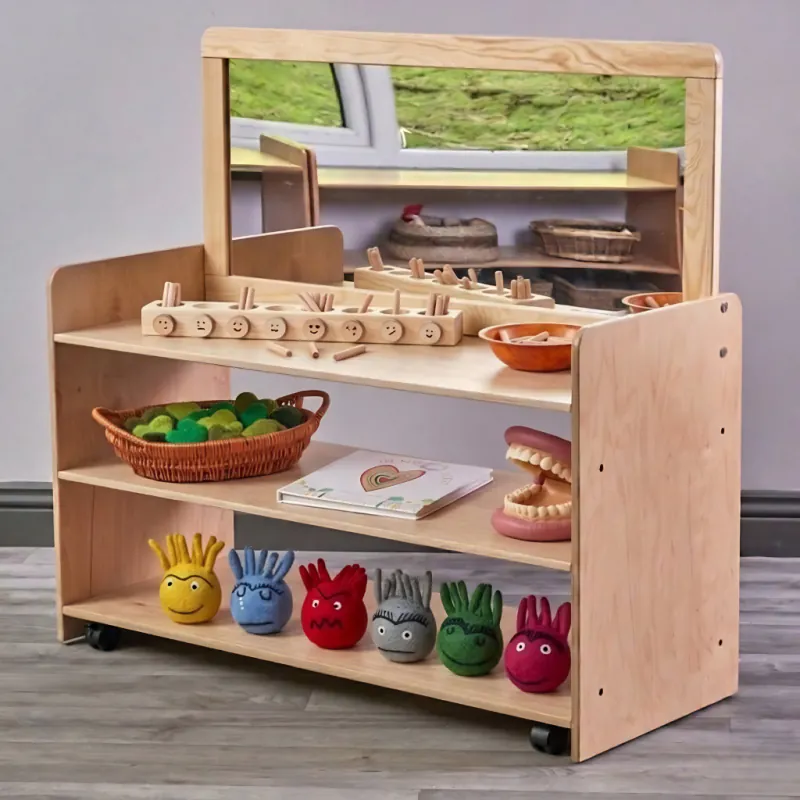
Cosy Calm & Mindful Hearts
A simple, tactile resource for calming moments, group time, counting, sharing, turn taking and gentle wellbeing activities.
My Emotions Wooden Tiles
A hands on way to support conversations around facial expressions, feelings and emotional vocabulary.

Comfort Keepers
A lovely addition to calm corners, transition boxes or nurture spaces, giving children something soft and reassuring to hold during moments of change.
Exploring Emotions Bundle
A useful resource for developing emotional literacy, encouraging children to recognise feelings in themselves and others.

A calm, confident step forward
Transition will look different for every child. Some will run towards change with confidence. Others will need extra time, reassurance and familiar support along the way.
By placing wellbeing at the heart of transition, settings can help children feel emotionally prepared, not just practically ready. With calm spaces, thoughtful resources and caring conversations, children can approach the next stage feeling secure, understood and excited for what comes next.
As we move towards the summer term, now is the perfect time to create those gentle moments of preparation. Because when children feel safe, supported and listened to, they are ready to take their next step.
We hope you enjoyed our blog post, don't forget to share your activities with us on social channels!
Facebook: https://www.facebook.com/cosydirect/
Instagram: https://www.instagram.com/cosydirect/