


Safer Sleep in Early Years Settings: What the New EYFS Guidance Means
Every baby deserves a safe, calm place to rest.
In April 2026, the Department for Education published new safer sleep guidance for early years providers, written in collaboration with The Lullaby Trust. The guidance supports planned updates to the Early Years Foundation Stage statutory framework, which apply from September 2026.
For practitioners, the message is clear: safer sleep is not only about choosing a suitable cot. It is about creating a complete sleep environment that considers the baby’s position, sleep surface, bedding, temperature and level of supervision.
To help early years settings prepare, we have reviewed our sleep products and created a dedicated Safe Sleep Compliant collection.
What is changing in September 2026?
The updated EYFS requirements place clearer expectations on how babies and children under two should be put down to sleep.
Babies and children should be placed on their backs in their own separate sleep space, on a clear, firm and flat surface.
For babies aged 12 months and under, the guidance states that they must only be placed to sleep in a cot. This includes:
- Cots
- Travel cots
- Carrycots
- Moses baskets
The DfE recommends that floor beds, sometimes described as coracles or sleep pods, are not used for babies aged 12 months and under because of safety concerns.
This means settings may need to review not only their safer sleep policies, but also the physical products currently being used in baby rooms.
The safest cot is a clear cot
A baby’s sleep space should be simple and uncluttered.
For babies under 12 months, the cot should contain only:
- A firm, flat and waterproof mattress
- Lightweight bedding that is firmly tucked in and no higher than the baby’s shoulders
A correctly fitted baby sleep bag can be used instead of blankets, provided it is suitable for the baby and used in accordance with the manufacturer’s instructions.
Toys, pillows, loose bedding, cot bumpers, wedges, straps and other unnecessary items should not be placed inside the cot. These items can cover a baby’s face, obstruct their breathing or create an entrapment risk.
Sometimes, less really is more.
Choosing the right mattress
The mattress is one of the most important parts of a safer sleep environment.
It should be:
- Firm, with no soft or cushioned areas
- Completely flat, without raised edges or inclines
- Waterproof, or protected by a well-fitting waterproof cover
- In good condition, with no sagging, damage or tears
- The correct size for the cot, with no unsafe gaps around the edges
The Lullaby Trust explains that the safest mattresses are firm, flat and protected by a waterproof cover. A well-fitting mattress also helps prevent a baby becoming trapped between the mattress and the sides of the cot.
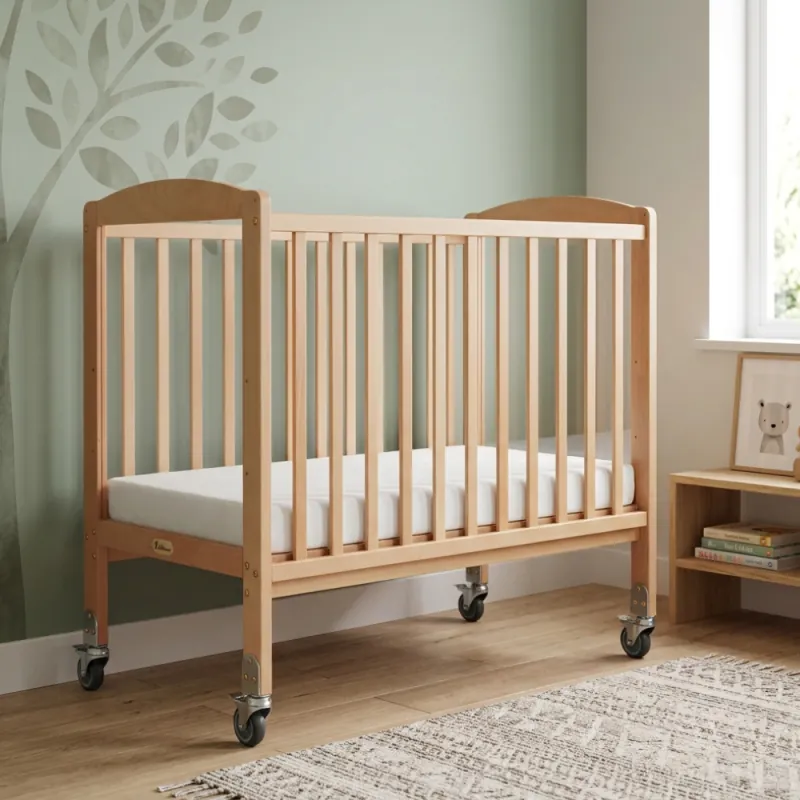
Mattress protectors can help create the required waterproof surface, but they must fit securely and should not add soft padding, raised areas or additional cushioning to the sleep surface.
What about British Standards?
The DfE guidance provides a list of relevant British Standards which settings may find useful when checking their sleep products:
- Cots and travel cots: BS EN 716-1:2017
- Carrycots and Moses baskets: BS EN 1466:2014 or BS EN 1466:2023
- Bedside cribs: BS EN 1130:2019
- Mattresses: BS 7177:2008+A1:2011
- Mattresses for cots, travel cots and cribs: BS EN 16890:2017+A1:2021
- Baby sleep bags: BS EN 16781:2018
British Standards form an important part of product selection, but they should be considered alongside the full safer sleep guidance. A cot meeting the relevant structural standard still needs to be used with the correct mattress, suitable bedding and appropriate supervision.
Always check the individual product instructions, including age, weight and usage restrictions.
Positioning babies safely
Babies should always be placed down to sleep on their backs.
Once a baby can independently roll from their back to their front and back again, they can find their own sleeping position. Practitioners should, however, continue to initially place the baby on their back for every sleep.
Where blankets are used, babies should be positioned with their feet at the bottom of the cot. This is sometimes known as the “feet-to-foot” position. The blankets should be tucked in securely and should not reach any higher than the baby’s shoulders.
Babies should never be placed to sleep using a wedge or sleep positioner unless a specific arrangement has been advised and overseen by an appropriate healthcare professional.
Temperature and supervision
A safer sleep environment is also one in which babies do not become too hot or too cold.
The recommended room temperature for babies aged 12 months and under is between 16°C and 20°C, and their heads should remain uncovered.
Babies under six months must have an adult with them in the same room for every sleep. All sleeping children must be checked frequently and remain within the sight and hearing of staff. A monitor may be used for children over six months, provided they can still be seen and heard at all times.
Settings should make sure their procedures clearly explain how sleep checks are carried out, recorded and shared between members of staff.
What does the Cosy Direct Safer Sleep Compliant badge mean?
To make choosing suitable products easier, we have introduced our Safer Sleep Compliant badge.

Products displaying the badge have been reviewed by Cosy Direct against our safer sleep criteria. Depending on the type of product, our review considers:
- Relevant British or European safety standards
- The product’s intended use and age suitability
- Mattress firmness and flatness
- Whether the sleep surface is waterproof or requires a suitable waterproof protector
- Manufacturer instructions and supporting compliance information
- Current guidance from the Department for Education and The Lullaby Trust
The badge represents Cosy Direct’s product review and is not a separate certification or endorsement issued by the DfE or The Lullaby Trust.
It is also important to remember that no individual product can make a setting compliant by itself. Products must always be assembled, maintained and used correctly as part of a complete safer sleep policy.
Preparing your setting
Before the September 2026 EYFS changes apply, settings should take the opportunity to review their existing arrangements.
Check that:
- Babies aged 12 months and under are sleeping in an appropriate cot, travel cot, Moses basket or carrycot
- Every mattress is firm, flat, waterproof and correctly fitted
- Cots are kept clear of unnecessary items
- Bedding is lightweight, securely tucked in and appropriate for the child
- Babies are placed on their backs
- Room temperatures and children’s clothing are monitored
- Babies under six months sleep in the same room as an adult
- Staff understand the setting’s safer sleep policy and checking procedures
- Product instructions and compliance records are readily available
Safer sleep works best when the environment, equipment and everyday practice all support one another.
Supporting safer sleep with confidence
The new guidance gives early years providers a clearer framework for creating safe, consistent sleep environments.
At Cosy Direct, we have reviewed our sleep range against our safer sleep criteria and brought the compliant products together in one place. The collection includes options such as the Dream Crib, the Drop Side Cot and the Evacuation Cot, alongside a selection of cot beds for settings needing longer-term sleep solutions.
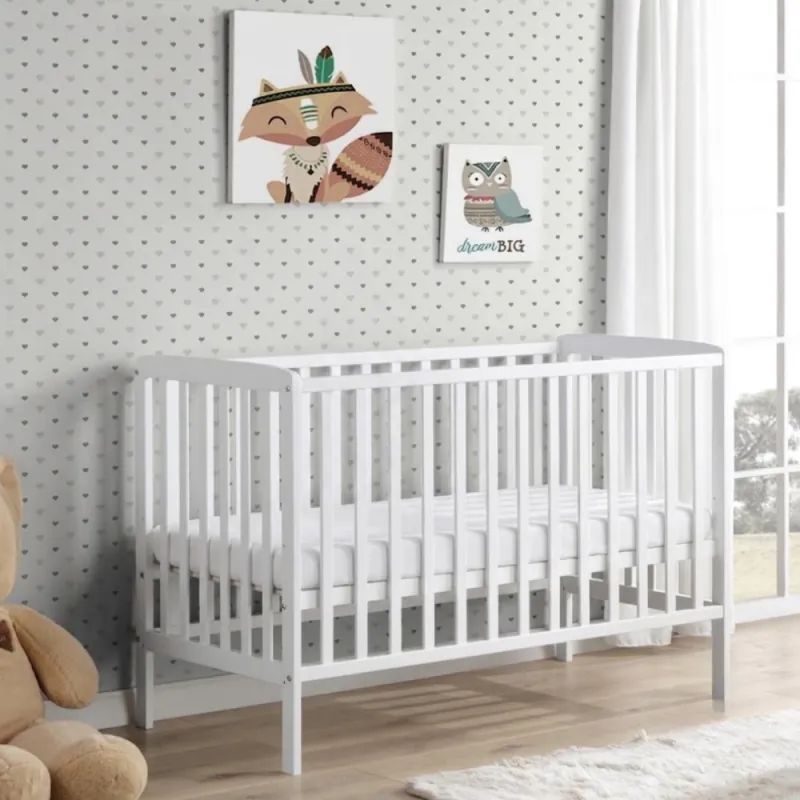
Look out for our Safer Sleep Compliant badge when browsing, or explore the full Safe Sleep Compliant collection.
Always read the individual product information and manufacturer instructions before use. No single product can make a setting compliant by itself: suitable equipment must be supported by clear procedures, regular sleep checks and well-informed practitioners.
By bringing all of these elements together, settings can create calm and reassuring spaces where babies can rest as safely as possible.
*This article is provided by Cosy Direct for general information only and does not constitute professional, legal or safety advice. Safer sleep is a serious matter, and responsibility for safe sleep practices in your setting rests with you as the provider. Always follow the official statutory guidance for your setting, including the Department for Education's safer sleep guidance for early years providers and the evidence-based advice of The Lullaby Trust. Where this content and the official guidance differ, you should always follow the official guidance.
References to products meeting "relevant British Standards" or being "safer sleep compliant" indicate that products have been selected with safer sleep principles in mind; they do not guarantee compliance in every setting or circumstance, and no product can eliminate all risk. It remains your responsibility to assess the suitability of any product for your specific environment and the children in your care, and to ensure it is used in line with the manufacturer's instructions and current safer sleep guidance. Cosy Direct accepts no liability for any loss, injury or damage arising from reliance on the information in this article or from the use of any product referred to.