


The Magic of Picture Books


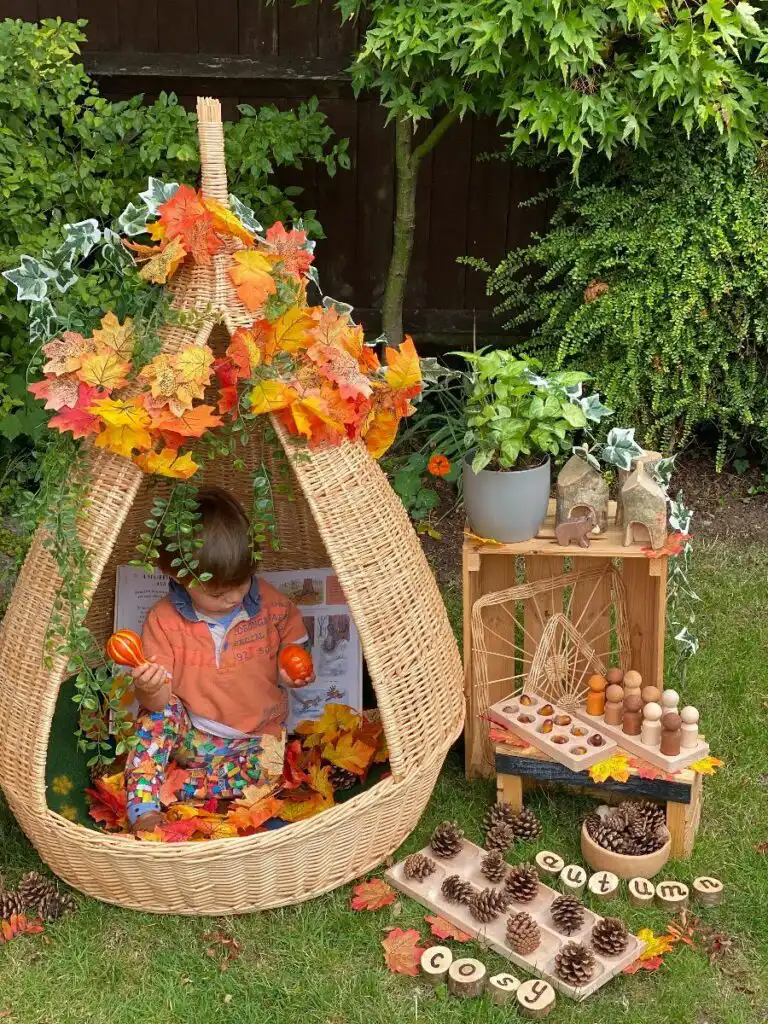
Picture books are a wonderfully simple tool that can unlock a wide range of skills under the EYFS. From the more obvious literacy development through to social skills and understanding the world, they deserve a spotlight. In this post we share our love for literature as well as our top tips for making use of picture books in your setting.
Why picture books?
The EYFS provides a unique opportunity to instil a love of reading and cultivate essential literacy skills in young children. Research has shown that early literacy skills are strong predictors of later academic achievement, highlighting the importance of investing in literacy development from an early age. By nurturing young readers in the EYFS, educators and caregivers can set children on a path towards success in school and beyond.
One of the primary goals of the EYFS is to promote children's communication and language development, which is closely intertwined with literacy. Through exposure to rich language experiences, children develop vocabulary, grammar, and comprehension skills that form the building blocks of literacy. Moreover, early literacy experiences lay the foundation for future reading fluency and comprehension, as well as writing proficiency.
Picture books play a fundamental role in fostering early literacy skills, offering a wealth of opportunities for language development, critical thinking, and imaginative exploration. They serve as powerful tools for engaging young children in literacy experiences from an early age. With their vibrant illustrations and captivating narratives, picture books capture children's imaginations and instil a love of reading. Furthermore, picture books provide a visual context that supports comprehension and vocabulary development, making them accessible to children of diverse backgrounds and abilities.
How to maximise your use of picture books
Even before children begin learning phonics, picture books can develop phonological awareness, and emergent literacy skills. Through repeated readings, children develop familiarity with story structures, text features, and print concepts, laying the foundation for future reading success. Here are some ways to really maximise the potential of a picture book:
- Incorporate picture books into phonological awareness activities that focus on sound recognition, rhyming, and word play.
- Choose books with rhythmic language patterns and repetitive phrases that lend themselves to phonological exploration.
- Encourage children to identify rhyming words, clap out syllables, or segment sounds in words. By integrating phonological awareness activities with picture books, children develop essential pre-reading skills that lay the foundation for phonics instruction and decoding.
- Encourage interactive discussions by asking open-ended questions, making predictions, and relating the story to children's own experiences. By modelling expressive reading and engaging children in meaningful conversations, educators and caregivers create a supportive literacy environment that nurtures early reading skills.
- Invite children to retell the story using their own words, act out scenes with props and puppets, or create alternate endings to the story.
- Small world play is another fabulous idea for encouraging children to develop their storytelling skills. Link the play to a picture books as an interactive experience to promote oral language development, creativity, and comprehension skills, while also fostering a deeper connection with the text. Use props like peg dolls or animals.
Reflecting on your provision
It's a good idea to spend time reflecting on the books you have available for children in your setting, school or class library. Ensure you have a variety of books that reflect diverse cultures, experiences, and perspectives to promote inclusivity and cultural competence. Choose books that feature characters from diverse backgrounds and settings, and incorporate themes of empathy, kindness, and social justice. By exposing children to a range of diverse stories and characters, educators and caregivers foster empathy, respect, and understanding in young readers, while also promoting a positive sense of identity and belonging.
We'd love to see images of how you promote storytelling and reading in your setting or school. Tag us in your posts on social media!