


Creative Star / Cosy’s Top Tips for Celebrating International Day of Play

Every day is an outdoor play day at Cosy and Creative Star HQ. But International Day of Play is an excuse to really roll out the leaf strewn, mud splattered, slightly-curled-up-at-the-end red carpet. Here are a few ideas to get your own creative juices flowing – and remember – children still know ‘how to play’ – as adults it’s our role to make sure they have the time, the space and the simple resources to follow their play fascinations.
Make Green Man mud faces
Examine pictures of ‘green man’ faces and talk about what they represent in global cultures. Study how the faces are decorated to make them look comical or fearsome. Press a fistful of mud or clay onto a tree with rough bark (to help it stick), and use fingers to mould the facial features. Use the tips of feathers to etch out delicate features, and then embellish the faces with feather headdresses or earrings, plus seeds, leaves and other natural objects. If you don’t have a ready supply of sticky mud, kiln drying clay will work just as well
Umbrella Parkour
A collection of umbrellas (especially giant golf brollies) is indispensable for encouraging active play in the rain (and providing shade in the sun). Plan a physicality trail that children can follow whilst holding an umbrella in one or two hands – for example, following a rope laid out on the ground, moving up and down steps, jumping from a landscape feature, running in and out of obstacles, around trees and through puddles. You could mark out each athletic ‘station’ with a laminated picture of a numbered umbrella.
Holding an umbrella won’t necessarily keep children dry, but it will oblige them to adjust their centre of gravity and work hard to maintain balance and co-ordination in order to compensate for transporting an umbrella as well as their own body and having one less arm to balance with.
Our favourite umbrellas are the transparent ‘birdcage’ shaped ones. Only one or two children can fit under one, but oh! So much fun when you can huddle together in the rain and see where you’re going! Coming soon to the Cosy catalogue!
Break the Rules
Outdoors and indoors are different, but complementary. To celebrate outdoor play (which, let’s face it, is barely-contained civil unrest carried out by small people) why not break the rules: take risks with resourcing and managing outdoor play and with the way you structure the day. Challenge your established routines:
• What happens if you begin the day with ten minutes of lively, boisterous outdoor play instead of phonics? Children arrive at school with their outdoor gear already on – why not Start The Day With Play?
• What happens when you try not to say ‘be careful’ or ‘no, you can’t go there / use that’? What happens if you ditch the deficit supervision model and go with ‘why not?’ and ‘show me how’ instead?
• What happens if children can choose when and where to have snacks or lunch? What if responsibility for eating and drinking is shared and children can eat with their siblings, or hide under a bush with their packed lunch or scavenge for blackberries?
• What happens if we accept that accidents happen, that dirt is good, and that our job as adults is to keep children ‘as safe as necessary’ not as safe as possible? Explore the Health and Safety Commission’s high level statement on balancing risk and benefit in children’s play – it might not say what you think it will!
• What happens if you recognise that the best, most innovative STEM learning could and should happen in the sandpit with a dozen cardboard boxes, a length of guttering, some Minky pegs and an old curtain?
Implementing some of these changes needs planning and buy-in across your setting or school – but these are all routines that hundreds of OPAL schools have already implemented as part of their drive to place children’s free play and wellbeing at the heart of the school day.


Build a Nest
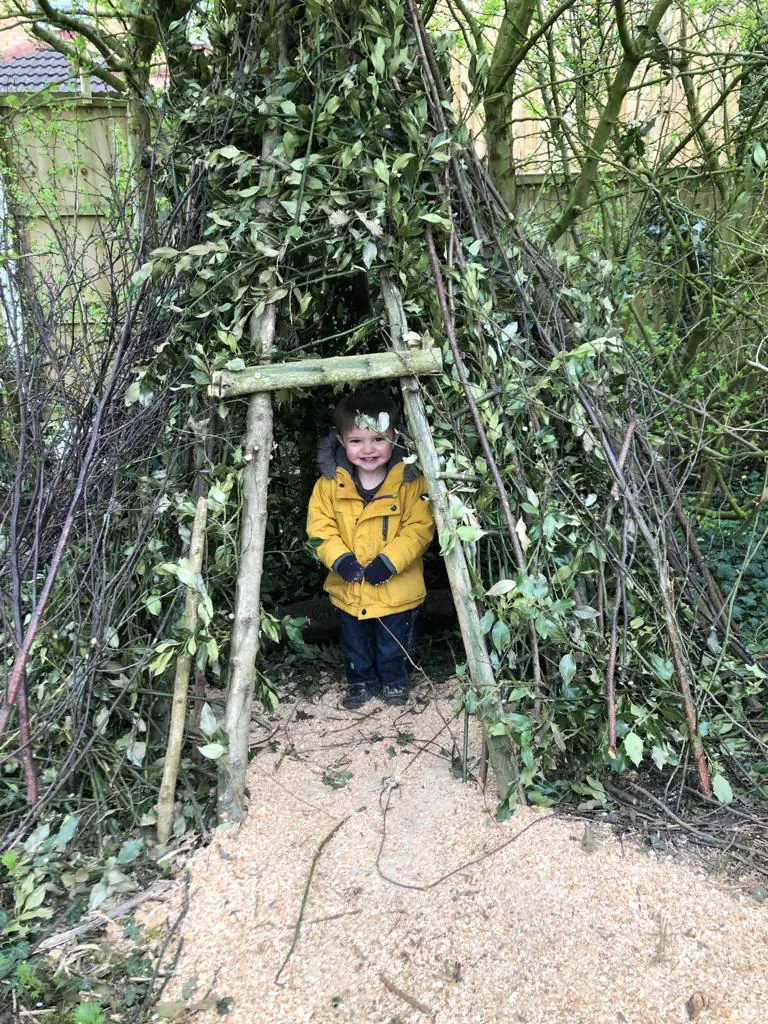
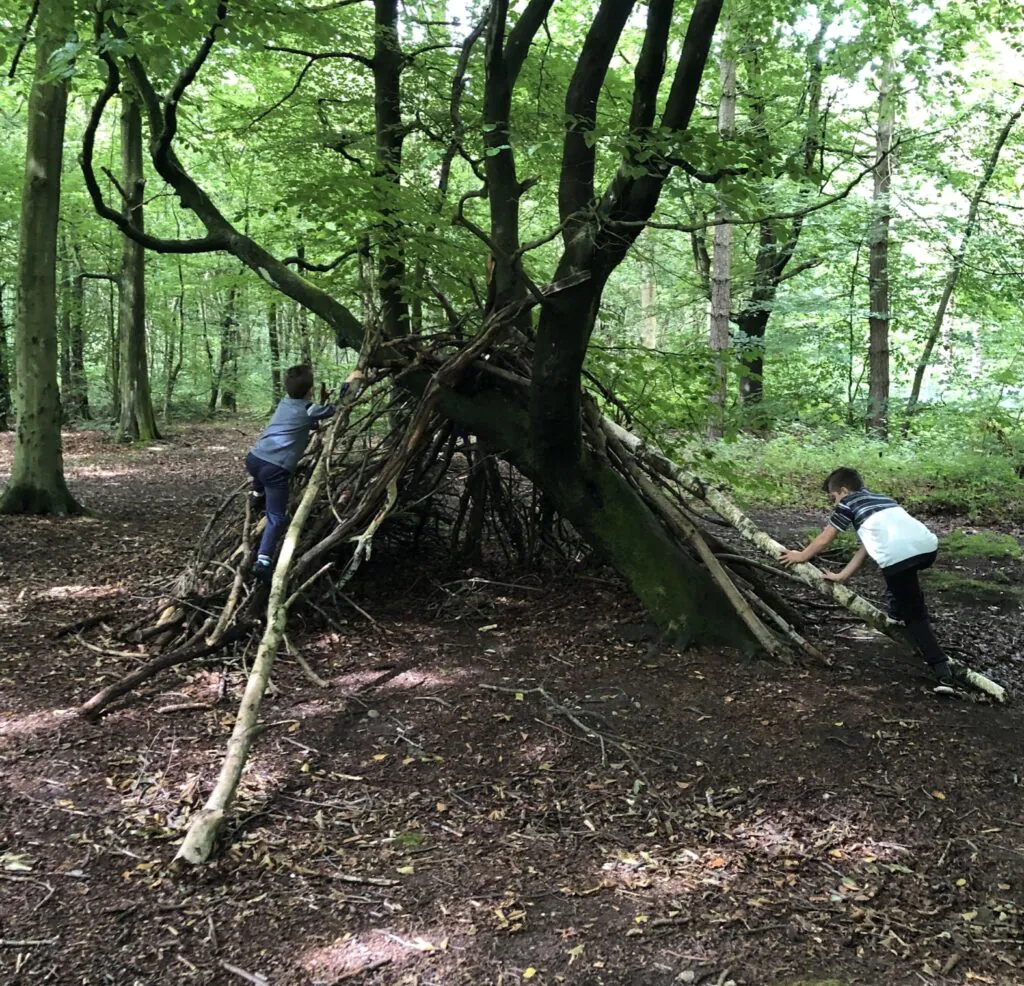
Scavenge every stick and twig that isn’t already doing play duty elsewhere, and weave a giant nest – big enough for that fearsome looking but friendly dragon that hovers over your school grounds at the weekends, eyeing up a great place to lay its (coloured ice balloon) eggs. Adapt the concept of a dead hedge, which is a fantastic eco-friendly way to create boundaries and barriers in the school grounds. There’s lots of advice online about dead hedges – they make excellent use garden trimmings and wind fallen branches.
To make a dead hedge style nest, simply use shorter vertical ‘posts’ set out in a circle and weave the branches and cuttings around and around, leaving a narrow entry point so that humans can also nest in there too.
Parts of this post were originally shared in Nursery World magazine; recycled with permission!
Looking for more outdoor play inspiration? Visit the Creative STAR website for ideas and advice on resources children love to use in play.
We hope you enjoyed our blog post, don't forget to share your activities with us on social channels!
Facebook: https://www.facebook.com/cosydirect/
Instagram: https://www.instagram.com/cosydirect/